

The Chanl Blog
Insights on building, connecting, and monitoring AI agents for customer experience — from the teams shipping them.
All Articles
303 articles · Page 19 of 26

Zero-Shot or Zero Chance? How AI Agents Handle Calls They've Never Seen Before
When a customer calls with a request your AI agent has never encountered, what actually happens? We break down the mechanics of zero-shot handling, and how to test for it before it fails in production.

Your AI Agent Isn't Learning From Production. Here's What That's Costing You.
Most AI agents are deployed and forgotten. The teams winning with AI have a different strategy: closing the loop from every live call back into the agent itself.

Your Agent Passed Every Dev Test. Here's Why It'll Fail in Production
A 4-layer testing framework for AI agents (unit, integration, performance, and chaos testing) so your agent survives real customers, not just controlled demos.

MCP Is Now the Industry Standard for AI Agent Integrations. Here's What That Means
MCP standardizes how AI agents connect to tools and data, replacing fragile, proprietary integrations with a universal protocol. Here's what it means for your agents.

Claude 4.6 broke our production agent in two hours — here's what's worth the migration
A practical developer guide to Claude 4.6 — adaptive thinking, 1M context, compaction API, tool search, and structured outputs. Real code examples in TypeScript and Python for building production AI agents.

Your Voice Agent Forgets Everything. Here's How to Fix That
How to add persistent memory, tools, and knowledge to Pipecat and LiveKit voice agents using the Chanl Python SDK — one SDK instead of assembling five services.

71% of organizations aren't prepared to secure their AI agents' tools
MCP gives AI agents autonomous access to real systems — and introduces attack vectors that traditional security can't see. A technical breakdown of tool poisoning, rug pulls, cross-server shadowing, and the defense framework production teams need now.

MCP Streamable HTTP: The Transport Layer That Makes AI Agents Production-Ready
MCP's Streamable HTTP transport replaced the original SSE transport to fix critical production gaps. This guide covers what changed, why it matters, and how to implement it in TypeScript with code examples.

Conversational AI vs. Agentic AI: What's the Difference, and Why It Matters for CX Teams
Conversational AI follows scripts. Agentic AI pursues goals. Here's the exact difference, with a side-by-side comparison and a practical guide to choosing the right approach for customer experience.

Your agent has 30 tools and no idea when to use them
MCP tools give agents external capabilities. Skills give agents behavioral expertise. Learn the architecture of both, build them in TypeScript, and understand when to use each — and when you need both.

The Death of the Decision Tree: Why Rule-Based Bots Can't Survive Real Conversations
Scripted voicebots break the moment customers go off-script, which is most of the time. Here's exactly how decision trees fail, what agentic AI changes at the architecture level, and how to make the transition without a catastrophic cutover.
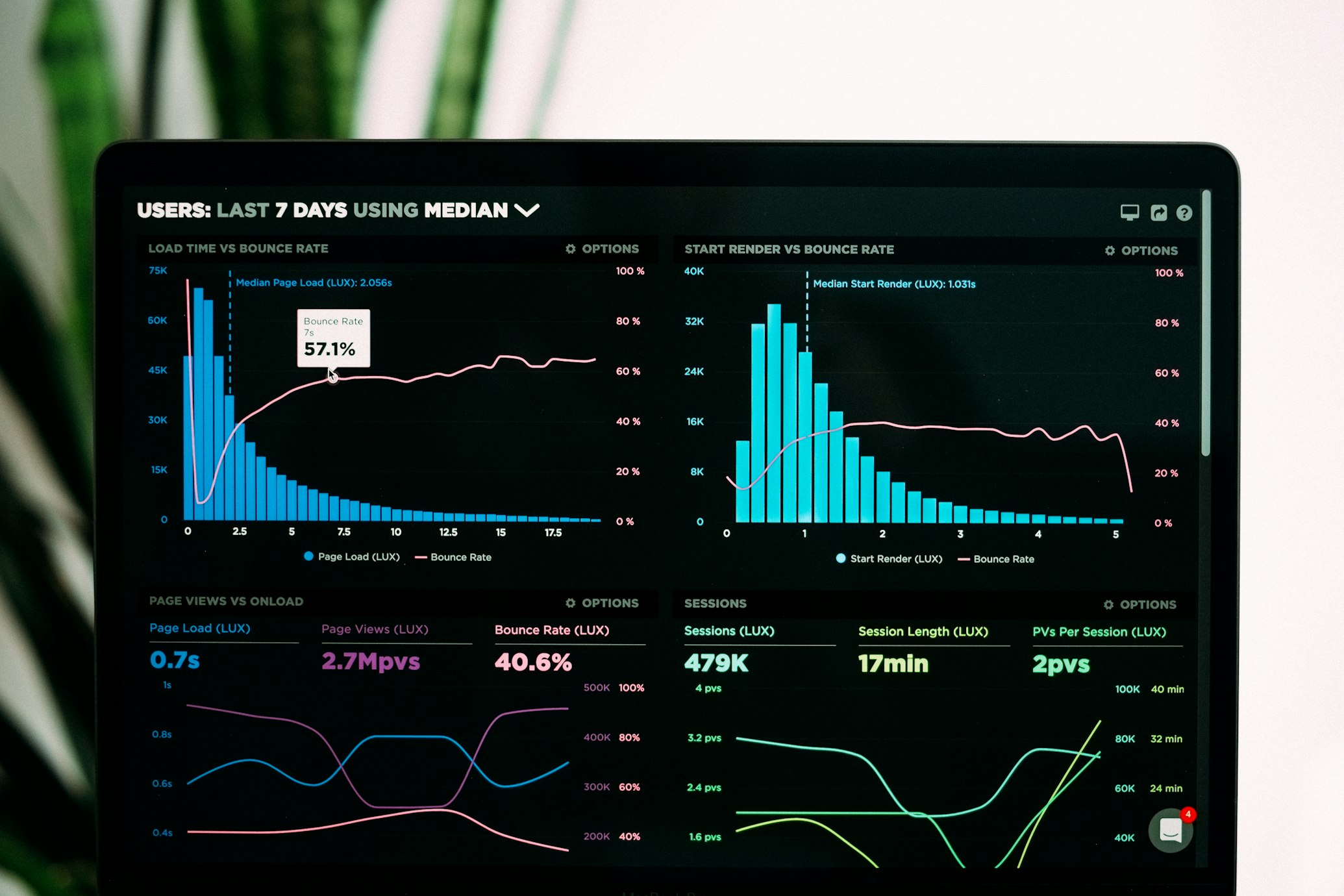
Is Your AI Agent Actually Ready for Production? The 3 Tests Most Teams Skip
Most AI agent failures happen not because the agent is bad, but because it was never properly tested. Here's the testing framework (unit, A/B, and live) that catches what demos miss.
Learn Agentic AI
Weekly. Patterns for shipping agents that work. MCP, scorecards, regression tests, prompts, model comparisons.


